Why SEO Matters for Victoria Small Businesses
Search engine optimization provides small businesses with their most cost-effective customer acquisition channel. Unlike paid advertising requiring continuous investment, SEO builds lasting visibility that generates leads and sales indefinitely. Victoria’s small business landscape includes over 300,000 enterprises competing for local customers searching online.
Professional small business SEO services help Victoria businesses achieve visibility without enterprise budgets. Expert guidance ensures limited resources produce maximum results through strategic focus and efficient execution.
Understanding Small Business SEO
How SEO Works
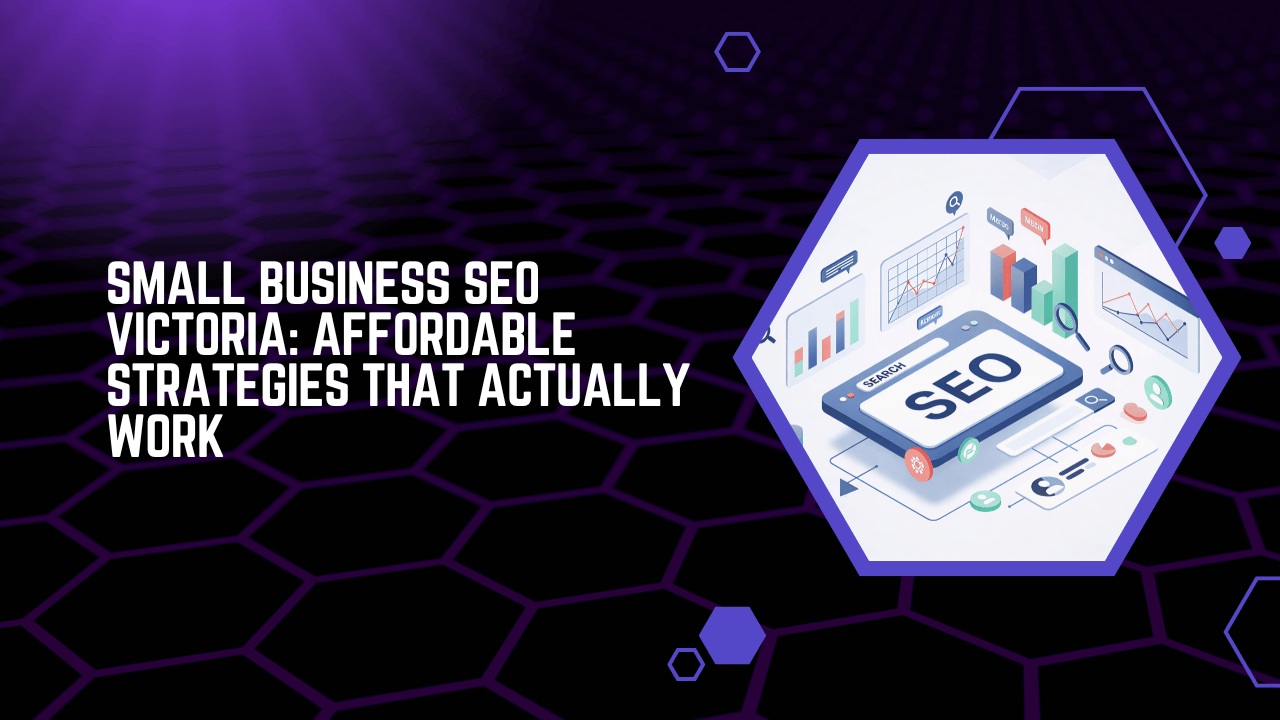
SEO improves website visibility through optimization aligning websites with how search engines evaluate and rank content. Three primary components work together: technical SEO ensures search engines can access your website; on-page SEO optimizes individual pages; off-page SEO builds authority through backlinks.
Why Small Businesses Need SEO
Small businesses without SEO rely entirely on paid advertising, referrals, and existing relationships. Paid advertising costs continue increasing, making profitable acquisition increasingly difficult. SEO provides independence from paid channels. Local SEO often provides small businesses’ quickest path to meaningful results.
SEO vs Paid Advertising
Paid advertising produces immediate visibility but stops when spending stops. SEO requires upfront investment but creates lasting assets. Most successful small businesses use both, Google Ads for immediate visibility while SEO builds long-term organic presence.
Local SEO for Victoria Small Businesses
Why Local SEO Matters
Local SEO helps businesses appear in location-based searches indicating high purchase intent. Google’s Local Pack shows three businesses prominently above organic listings. Local SEO often produces faster results than broader SEO efforts.
Google Business Profile Optimization
Google Business Profile forms the foundation of local SEO. Complete profile information, proper category selection, business descriptions with keywords, quality photos, and regular posts all improve visibility.
Local Citations and Directories
Local citations influence local rankings. Essential directories include Yellow Pages, True Local, Yelp, and industry-specific directories. NAP consistency (Name, Address, Phone) across all citations is critical.
Review Management
Reviews significantly impact local rankings and customer decisions. Review quantity, quality, and recency all matter. Ask satisfied customers for reviews. Respond to all reviews professionally. Never purchase fake reviews.
On-Page SEO Fundamentals
Keyword Research for Small Businesses
Small businesses should prioritize specific, locally-modified keywords over generic competitive terms. Long-tail keywords often convert better. Search volume indicates demand but commercial intent determines value.
Title Tags and Meta Descriptions
Include primary keywords near title beginnings. Keep titles under 60 characters. Each page needs unique title tags. Meta descriptions should be compelling, under 160 characters, encouraging clicks.
Content Optimization
Quality content forms SEO’s foundation. Create content addressing what searchers want. Comprehensive content outperforms thin content. Natural keyword integration signals relevance without manipulation.
Image Optimization
Descriptive file names and alt text include relevant keywords. Compress images to reduce file sizes without visible quality loss.
Technical SEO Essentials
Website Speed
Page speed affects rankings and user experience. Core Web Vitals measure specific metrics. Common issues include uncompressed images, excessive plugins, and poor hosting. Quality hosting provides necessary performance foundations.
Mobile Optimization
Mobile devices generate over 60% of Australian web traffic. Google uses mobile-first indexing. Responsive design adapts layouts automatically. Most WordPress themes include responsive design.
Site Security
HTTPS encryption is mandatory. SSL certificates enable HTTPS. Keep WordPress or other CMS platforms updated. Use strong passwords and security plugins.
Crawlability and Indexing
Search engines must access your website to rank it. XML sitemaps guide search engines. Google Search Console reveals how Google sees your website.
Content Marketing for Small Businesses
Content Strategy
Identify customer questions and create content answering them thoroughly. Target keywords with commercial intent. Create cornerstone content covering core topics comprehensively. Plan content production realistically.
Content Types
Service pages describe offerings. Location pages target geographic keywords. Blog posts address questions and target additional keywords. FAQ pages answer common questions. Case studies demonstrate results.
Content Creation on a Budget
Write content yourself from expertise. Repurpose content across formats. Focus on quality over quantity. Use templates and frameworks to streamline creation.
Link Building for Small Businesses
Local Link Opportunities
Local business directories provide foundational links. Chamber of commerce memberships, local sponsorships, local news coverage, and partnerships with complementary businesses create opportunities.
Content-Based Link Building
Original research, comprehensive guides, and practical tools attract natural backlinks. Create resources valuable enough for others to reference.
Tactics to Avoid
Never purchase links. Avoid link exchange schemes. Don’t use private blog networks. Guest posting solely for links risks penalties.
Measuring SEO Success
Track organic traffic in Google Analytics, keyword rankings, and conversions. Google Analytics tracks traffic. Google Search Console provides invaluable SEO data. Most small businesses see initial improvements within three to six months.
DIY vs Professional SEO
When to DIY
Basic SEO is learnable. Google Business Profile optimization requires no technical skills. Basic on-page optimization and simple content creation are accessible to motivated business owners.
When to Hire Professionals
Professional SEO services make sense when competition demands expertise, time constraints prevent adequate DIY effort, or past attempts haven’t produced results.
Small Business SEO Costs
Basic local SEO: $500 to $1,500 monthly. Comprehensive small business SEO: $1,500 to $3,000 monthly. Competitive markets: $3,000 to $5,000+ monthly. Costs depend on competition, current website status, geographic scope, and content needs.
Frequently Asked Questions
How Long Does Small Business SEO Take to Work?
Initial improvements within three to six months. Meaningful traffic and lead increases over six to twelve months. Less competitive local markets see faster results.
How Much Should a Small Business Spend on SEO?
Typically $500 to $3,000 monthly depending on competition and goals. Start with what’s sustainable and increase as results justify additional investment.
Can I Do SEO Myself?
Yes, basic SEO is learnable. However, competitive markets, technical issues, and link building often require professional expertise.
What’s Most Important for Local SEO?
Google Business Profile optimization is most important. Reviews are second most important. Local citations with consistent NAP information provide supporting signals.
How Do I Know If SEO Is Working?
Track organic traffic, keyword rankings, and business outcomes like leads and calls. Google Search Console and Google Business Profile Insights show visibility metrics.
Should I Focus on SEO or Google Ads?
Both serve different purposes. Google Ads provides immediate visibility; SEO builds lasting visibility. Most small businesses benefit from both.
Why Isn’t My SEO Working?
Common reasons include insufficient time, technical issues, overly competitive keywords, thin content, lack of backlinks, and inconsistent effort.
Getting Started with Small Business SEO
Elevate Digitech provides affordable SEO services designed for Victoria small businesses. From local SEO to content marketing and technical optimization, comprehensive small business SEO builds the organic visibility your business needs to grow.